Leveraging Cultural Diversity
To Boost Student Engagement and Build Stronger Connections in and Beyond the Classroom
As I reflect on my journey as an educator and educational leader in an international school setting, I recognise the profound influence of cultural diversity on my teaching and my ability to build meaningful connections. Throughout my career, I have had the privilege of working with students and colleagues from various cultural backgrounds, supporting students across Ugandan, East African, British, American, SABIS, UAE National, and IB systems. These experiences have enriched my understanding of how cultural awareness enhances student engagement and fosters inclusive, dynamic learning environments.
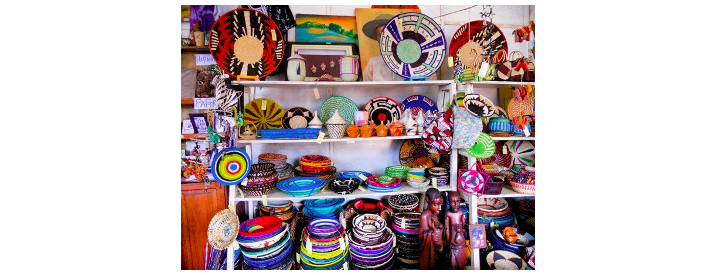
The Role of Culture in Education
Culture shapes not only classroom interactions but also relationships with colleagues. Early in my teaching career, I realised that understanding cultural differences is key to creating inclusive environments where students feel respected and understood. For example, in central Uganda and some other parts of the world, children kneeling before elders or teachers is a sign of respect. While this may be unfamiliar to others, it holds deep meaning in those communities. Acknowledging such cultural nuances helps me understand how students express respect and relate to authority. This awareness also enhances my relationships with other people, reminding me that what matters to one person may not matter to another. Embracing these differences fosters respect and belonging without fear of judgement.
Language: A Bridge Between Cultures
In my teaching career, I have worked in multilingual settings, gaining a deeper understanding of how language connects cultures. The languages I’ve encountered, such as Swahili, Kinyarwanda, Kirundi, French, and Arabic, have taught me to view the world through different lenses. Language, I’ve realised, isn’t just communication; it’s a window into a culture’s heart and soul. One memorable moment was encountering the French phrase “Bon appétit.” Initially, I didn’t fully grasp its significance, but I soon realised it reflects a cultural value, wishing someone a good appetite before a meal. This thoughtful gesture isn't expressed in my own language, Luganda, or in English.
Beyond words, body language and gestures also play a key role in cross-cultural communication. Simple gestures like a handshake, nod, or thumbs-up can have different meanings across cultures. For instance, direct eye contact is seen as confidence in some cultures, while in others, it may seem disrespectful or confrontational. These non-verbal cues highlight the importance of cultural awareness.
Building Community Beyond the Classroom
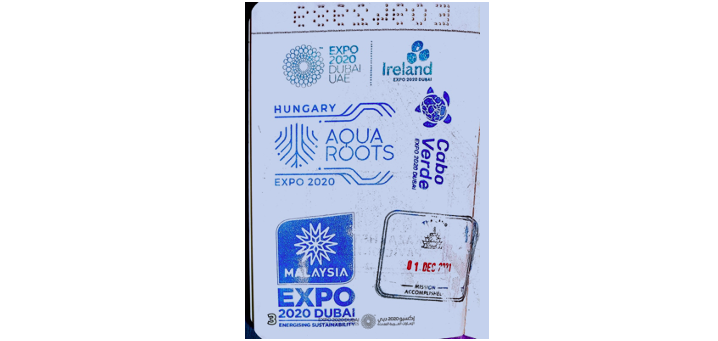
While in Dubai, I had the privilege of attending Expo 2020, where I visited all 192 country pavilions and collected stamps from each. Beyond the souvenirs, I discovered the rich treasures and stories behind each country's journey, seeing how they take pride in their roots and heritage. Attending social meetups also allowed me to sample diverse cuisines from Indonesia, India, the Philippines, Pakistan, Egypt, Malaysia, Syria, Lebanon, and beyond. These cultural experiences, coupled with learning basic Arabic and its dialects, have broadened my worldview. I've also picked up words in Urdu, Hindi, Tagalog, and Punjabi, which deepened my appreciation for the interconnectedness in some of these languages.
I make a point of learning students' names, ensuring correct pronunciation and sometimes their meanings in their native languages, small gestures that foster trust and help students feel valued. I also incorporate culturally relevant phrases and gestures, inviting students to share expressions from their cultures, which not only fosters participation but also promotes mutual respect. These efforts extend beyond the classroom to my interactions with colleagues, creating an inclusive environment where everyone feels empowered to share their unique identities. By celebrating diversity in this way, I strive to create a learning space where meaningful connections thrive.
The Intersection of Culture and Science
As a secondary school science educator, I’ve come to appreciate how scientific principles often align with cultural knowledge passed down through generations. For example, the design of round huts in many ancient cultures distributed stress and reduced weak points, reflecting an early understanding of physics. These structures were energy-efficient, durable, and in harmony with nature, principles that align with modern sustainability goals.
Cultural practices such as storytelling, singing, and family gatherings fostered emotional well-being and connection. While modern technology facilitates communication through social media, it often erodes face-to-face interactions, despite the mental health benefits of these traditional practices.
Ancient cultures also relied on herbal medicines, which posed fewer side effects and emphasized environmental protection. Similarly, methods like steaming food could preserve nutrients and flavors, offering a healthier, more digestible food with rich nutritional value.
By blending this wisdom with modern scientific principles, especially in sustainability and community well-being, we can address global challenges with a more compassionate and holistic approach.
Passion for Exploring Cultures
I enjoy exploring how different cultures connect with their natural environments, from ornamental, spiritual and medicinal practices to economic uses of land, rivers, forests, and wildlife. This deepens my understanding of environmental stewardship, which I integrate into my teaching.
To raise awareness of world cultures, languages, and traditions, I’m planning initiatives that highlight these aspects. Would you be interested in collaborating to explore how we can promote cultural diversity in education and beyond? I’d love to hear your thoughts.
How has cultural diversity shaped engagement and collaboration in your work or personal life? Share your insights!
Pius Nyombi
Science Educator and Curriculum Leader